We Are Sona Solar Zimbabwe – The Best Solar Systems Company and Your Trusted Source for High-Quality, Affordable Solar Solutions.
Need expert Guidance to choose the Perfect Solar System or Solar-Powered Boreholes in Zimbabwe? Chat with our friendly Sona Solar Zimbabwe team on WhatsApp for fast, personalized advice. We typically respond within 30 minutes and Guarantee a reply within one hour.
Want to get started or check prices and availability? Chat with us instantly for personalized advice, expert guidance, and tailored quotes!
 +263 78 922 2847
Why Is My Inverter Beeping? Common Solar Inverter Problems AND Solutions in Zimbabwe
With ongoing load shedding and electricity challenges in Zimbabwe, solar inverters have become an essential backup power solution for homes and businesses. However, even the best Tier-1 systems can develop faults. A persistent inverter beeping sound or alarm is a critical communication signal indicating issues such as low battery voltage, overload, overheating, or internal PCB failures.
Understanding why your inverter is beeping is critical for protecting your solar battery bank and household appliances. Sona Solar Zimbabwe provides this engineering blueprint to help you decode alarm patterns and decide when to perform a DIY reset or call for authorized technical repair support.
Diagnosing the Beep: Engineering Fault Analysis
A blaring inverter alarm is usually the result of the system’s internal protective logic triggering a shutdown sequence. In the Zimbabwean context, this is most frequently caused by Inductive Load Surges or Battery Voltage Sag. Professionally engineered inverters from brands like Must and Deye are programmed to protect their internal MOSFETs (power transistors) by disconnecting the load when safe operating parameters are exceeded.
Failure to address these beeps can lead to PCB carbonization or permanent Lithium BMS lockout. Our technical hub identifies four key issues that represent 90% of all reported inverter faults in Harare and Bulawayo.
Overloading beyond rated capacity is the most common user error. This occurs when appliances like kettles, microwaves, and irons are activated simultaneously on a system only sized for lighting and entertainment.
The Risk of PCB Damage
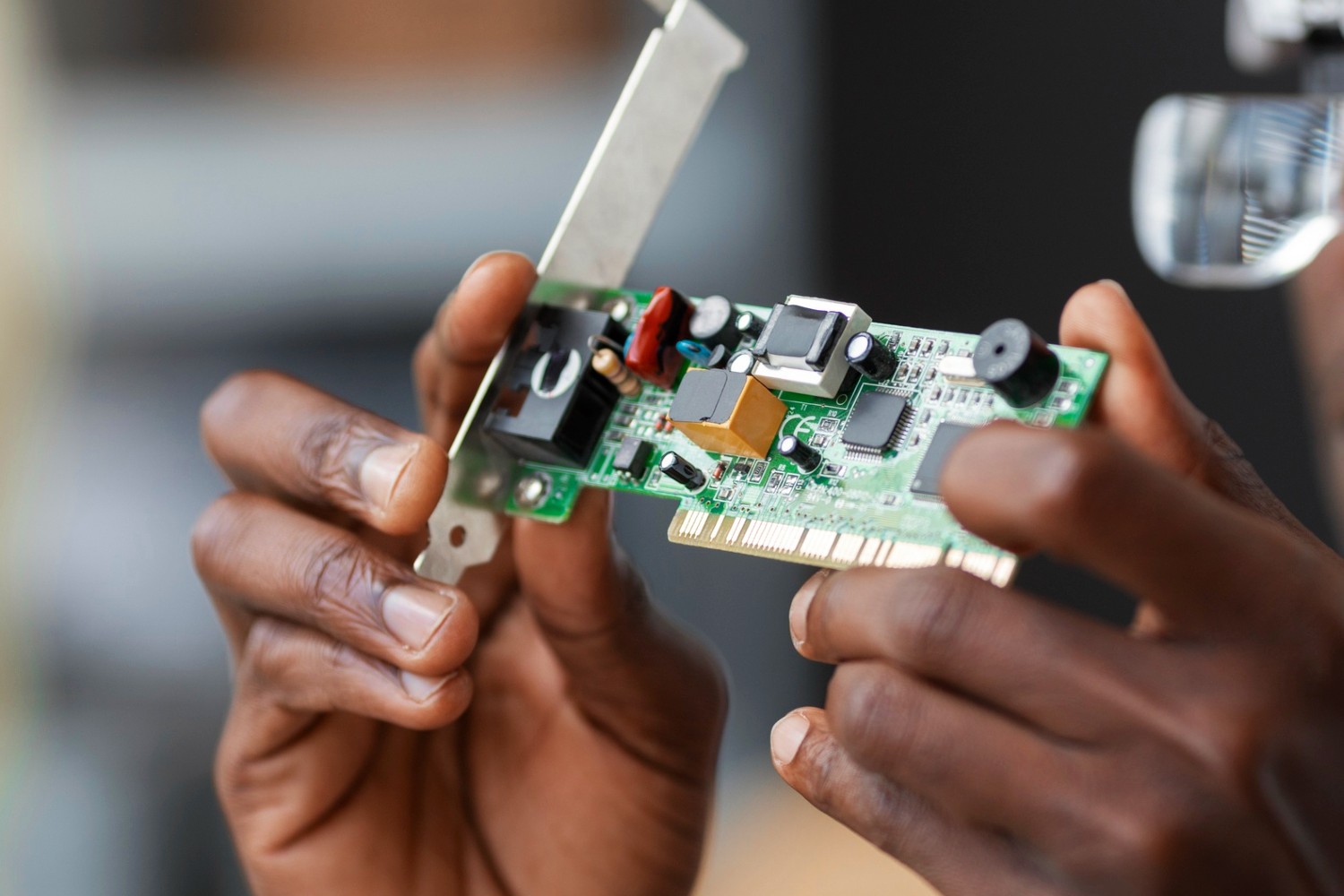
Severe overloading causes excessive heat in the Printed Circuit Board (PCB), potentially leading to explosive component failure and expensive repairs.
The 50% Safety Load Rule
Sona Solar recommends maintaining a constant load at 50% of the inverter's kVA rating to maximize lifespan and extend battery backup duration kits.
A beeping battery alarm is often a normal safety indication, not a hardware failure. Must Solar Zimbabwe inverters are calibrated to shut down at specific thresholds (e.g., 42V for a 48V bank) to prevent destructive deep discharge.
Low Voltage Disconnect (LVD)
The alarm indicates the battery needs immediate recharging. Frequent LVD alarms suggest your battery bank is undersized for your nightly load profile.
The ventilation system consists of high-RPM fans that cool the internal transformers. If a fan fails due to dust ingress or mechanical wear, the unit will enter 'Thermal Protection' and beep continuously.
Thermal Shutdown Hazard
If you hear an alarm but the fans are stationary, power down immediately. Overheating rapidly degrades the internal capacitors and power stages hub.
Prevent this by ensuring the inverter is not installed in a dusty environment. Regular vacuum cleaning of the intake vents is mandatory. You can visit our service center for authorized fan replacement.
A faulty Printed Circuit Board (PCB) is a critical failure. This is often caused by a high-magnitude ZESA grid spike or lightning surge that bypasses substandard protection devices.
The PCB Replacement Fix
Damaged circuit boards require professional component-level repair or total board replacement. This task must be handled by certified technicians.
Inverter Protection AND Prevention Rules
In power engineering, Prevention is significantly cheaper than repair. By adhering to authorized installation standards, you can avoid 90% of the common inverter failures seen in Zimbabwe.
Deploy Surge Protection Devices
Always utilize high-quality voltage guards and Type-2 Surge Protectors on AC inputs. Protects the sensitive PCB from volatile ZESA grid spikes hub.
Schedule Bi-Annual Cleaning
Dust is the primary enemy of electronics. Schedule a professional technical blow-out of your inverter every 6 months to ensure optimal cooling hub.
Enforce Load Management
Educate household users to avoid coincident demand. Running the microwave and kettle simultaneously strains the inverter's internal MOSFETs hub.
The Sona Solar Technical Promise
Must Solar Zimbabwe and Sona Solar Zimbabwe provide a 24-month authorized warranty. Our technicians are factory-trained to provide component-level support throughout the warranty lifecycle and beyond.

Equipping yourself with this knowledge allows you to identify minor issues. However, if the fault is persistent or involves internal components, do not risk DIY repair—contact our engineering desk immediately.
Stay Powered Up with Reliable Technical Hub Support
Stay protected against load shedding with Must Inverters—the trusted energy standard in Zimbabwe. Engineered for efficiency and reliability, Must inverters provide seamless switching to keep your appliances running. Contact us for professional fault diagnostics today.
Chat With Technical Support